
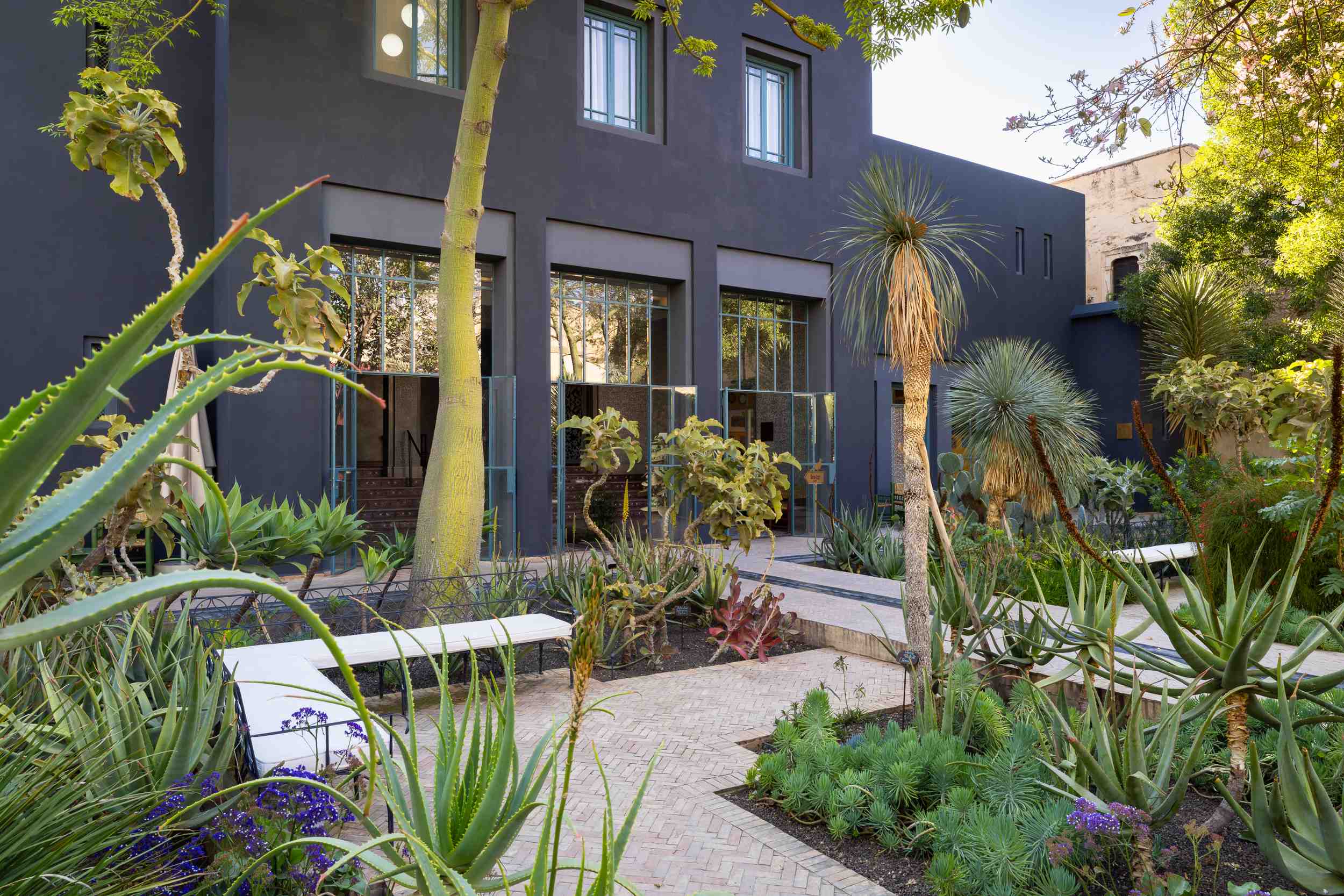
Experiencing Marrakech beyond the typical tourist trails requires a conscious shift in speed. If you are wondering what to do in Marrakech to truly connect with its heartbeat, the answer lies in slowing down. Tourists often rush from one monument to another within a tight $2$-day schedule, but locals live by a different clock—one measured by the call to prayer, the intense heat of the afternoon, and the cooling evening breeze. Settle into a neighborhood café in Mouassine or Bab Doukkala at around $10$ AM, order a traditional spiced coffee or a fresh mint tea, and simply observe. Watch the children playing in the derb (alleys), the communal bakers carrying trays of dough to the public oven, and neighbors exchanging long, respectful morning greetings. This slow observation is the gateway to a genuine expérience authentique à Marrakech.
The key to a successful local immersion is embracing simplicity over commercialized attractions. The art of living in the Red City manifests in the courtesy of daily exchanges, the time taken to ask about someone's family, and the ability to transform an ordinary transaction into an opportunity for dialogue. For the traveler, this means prioritizing the quality of encounters over the quantity of sights. By adopting this philosophy, you step off the high-speed tourist conveyor belt and step into a slower, more deliberate lifestyle, which is the exact foundation of a profound and memorable stay.
To bypass the tourist-centric areas, you must wander deep into the residential quarters of the Medina. These narrow, labyrinthine alleys are designed to shield families from the noise, dust, and heat of the main thoroughfares. Here, you will find the real community infrastructure that has kept the city alive for over $900$ years. Look for the public water fountains, the neighborhood mosque, the local hammam, and the communal bakery. Engaging respectfully with these communal spaces is essential for anyone seeking an expérience authentique à Marrakech.
Instead of booking a luxury, resort-style spa, seek out a traditional neighborhood bathhouse. Visiting a public hammam for a scrub is a weekly purification ritual for locals of all ages. This simple shift in perspective completely changes your relationship with the city. You become part of a living tradition rather than a mere spectator of a staged performance. The residential derbs also hide quiet residential entries adorned with monumental wooden doors, showing that the true beauty of Marrakech is always kept hidden from the public eye.
Food is the ultimate expression of Morocco's living heritage. While high-end restaurants in Guéliz or tourist-heavy rooftops offer beautiful views, they often serve standardized versions of traditional dishes. If you are compiling your list of what to do in Marrakech to eat like a local, head directly to the street stalls and neighborhood souks. Try harcha (semolina flatbread) or msemen (laminated pancakes) from a local baker for an authentic breakfast costing less than $10$ dirhams.
For lunch, seek out the tanjiya—Marrakech’s signature slow-cooked meat dish. Unlike tagine, which is cooked at home, tanjiya is prepared by local butchers in a clay pot, sealed with parchment paper, and slow-cooked for over $6$ hours in the hot ashes of the local hammam's underground furnace. Sharing this dish with freshly baked bread in a small, crowded stall is an unparalleled culinary adventure. Sourcing fresh olives, almonds, and seasonal fruits from the neighborhood markets is not just a budget-friendly option; it is the cornerstone of an expérience authentique à Marrakech.
Experiencing the city like a local means respecting its social fabric. The Medina is a conservative, living community, not an open-air theme park. When exploring, dress modestly by covering your shoulders and knees, which shows a deep respect for local religious and cultural customs. Always ask for permission before taking photos of artisans, stallholders, or residents; a simple conversation in French or basic Arabic often opens doors to incredible stories and genuine smiles.
When purchasing souvenirs, understand that bargaining is not a game of winning or losing, but a social interaction based on mutual respect. Approach negotiations with a smile, have a fair price in mind, and avoid aggressive haggling. By shifting your attitude from a consuming tourist to a grateful guest, you unlock the doors to legendary Moroccan hospitality. This respectful engagement makes your trip a profound expérience authentique à Marrakech rather than a superficial vacation.
The table below contrasts the typical tourist journey with a mindful, local approach to exploring the Red City.
|
Travel Aspect |
Typical Tourist Experience |
Authentic Local Experience |
|---|---|---|
|
Dining |
Standardized international menus on crowded rooftops |
Street food stalls, tanjiya from the hammam furnace |
|
Pace |
Rushing through a long checklist of monuments |
Slow exploration, sitting in neighborhood cafés |
|
Wellness |
Modern commercial spas with high entry fees |
Traditional neighborhood hammams using black soap |
|
Shopping |
Haggling aggressively in the main tourist souks |
Respectful transactions with local neighborhood artisans |
|
Navigation |
Sticking to main commercial alleys and major plazas |
Wandering into quiet, historic residential derbs |
How do I find a genuine experience in Marrakech without getting lost? Embrace getting lost temporarily, as it often leads to the best residential streets. To navigate safely, use offline maps, keep track of major minarets as visual landmarks, or ask shopkeepers for directions. This approach is key to finding an expérience authentique à Marrakech.
What to do in Marrakech to avoid tourist traps? Avoid unlicensed guides who offer to show you "secret festivals" or "closed streets." Instead, plan your itinerary independently, visit historic monuments like Le Jardin Secret, and dine where you see local families eating.
How can I visit a traditional public hammam respectfully? Bring your own plastic mat, scrubbing glove (kessa), black soap, and a change of clothes. Observe the local etiquette, maintain modesty, and enjoy the slow, therapeutic process of the steam rooms.
Is it safe to explore the residential alleys of the Medina? Yes, residential areas are generally very safe and welcoming. Always respect the privacy of the inhabitants, keep your voice down when walking through narrow alleys at night, and avoid filming directly into private doorways.
Discover the history of Le Jardin Secret and book your visit now