
The ancient streets of the old city are home to a remarkable concentration of history, art, and architectural genius. While many travelers associate the Red City with bustling marketplaces and street performers, those who venture deeper discover a sophisticated network of cultural institutions. These curated spaces offer a quiet respite from the crowded alleys while providing deep historical context to your journey. If you are planning your itinerary and deciding what to do in Marrakech, exploring these artistic sanctuaries is an absolute necessity to truly understand the local heritage.
From grand palaces converted into regional museums to small, privately owned art galleries, the historic center acts as a living archive of Moroccan creativity. These venues do not merely display artifacts; they preserve the very buildings they occupy, showcasing ancestral plaster carving, hand-painted wood, and complex mosaic work. Visiting these sites allows you to transition from being a mere spectator to becoming an active participant in the preservation of Moroccan master craftsmanship. They represent the most rewarding places to visit in the Marrakech Medina for anyone seeking depth, history, and beauty.
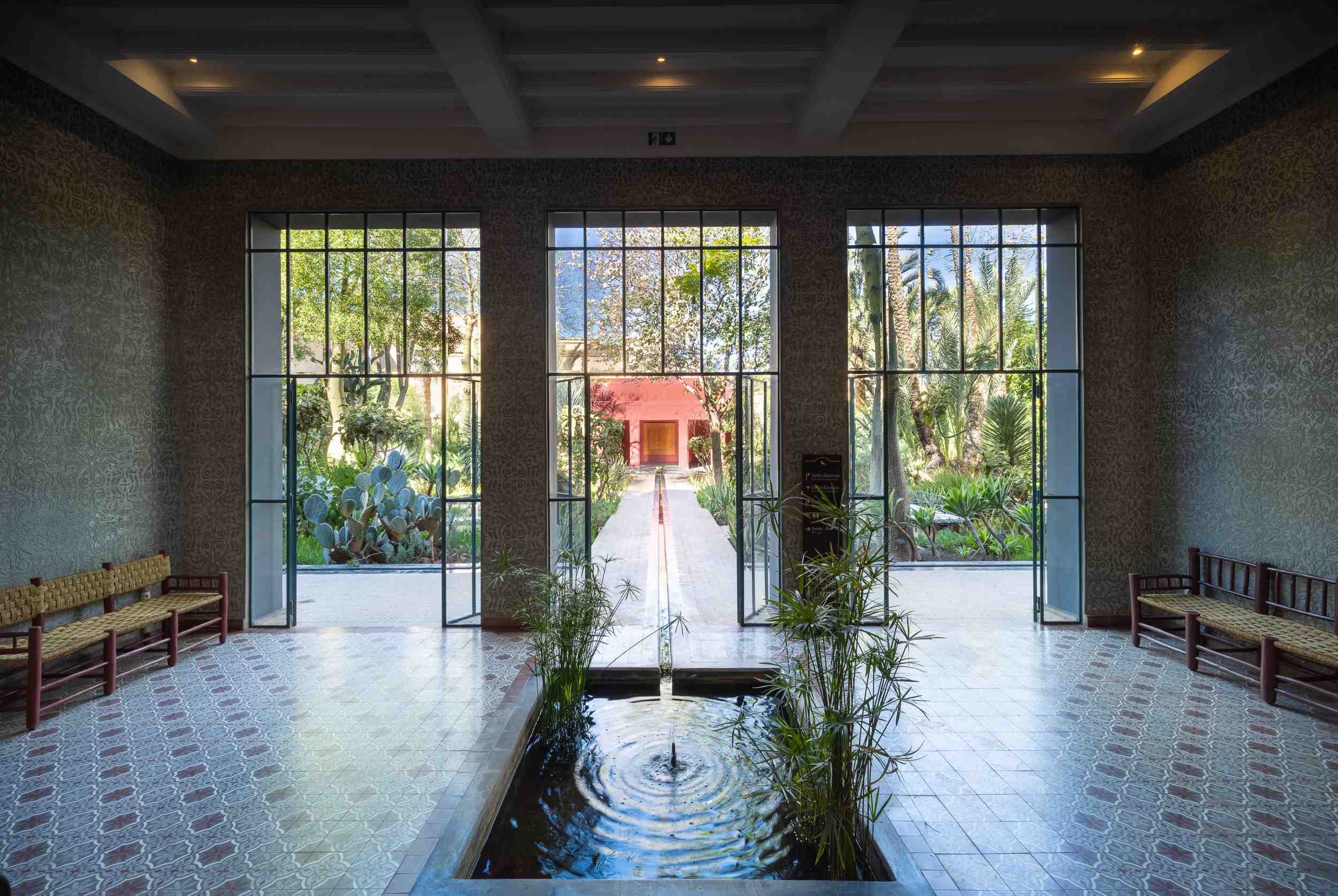
Among the most evocative places to visit in the Marrakech Medina, the Maison de la Photographie stands out for its emotional and historical depth. Housed in a beautifully restored multi-story building, this gallery dedicated to vintage photography displays an extraordinary collection of Moroccan life captured between 1870 and 1950. The black-and-white portraits of Berber tribes, historic street scenes, and panoramic desert landscapes offer a window into a bygone era. It is a powerful reminder of how the country has evolved while fiercely retaining its cultural identity.
For those looking for an intimate artistic experience, the Mouassine Museum is a brilliant choice when deciding what to do in Marrakech on a quiet afternoon. This unique venue is a historic 16th-century guest house, or douria, that has been meticulously restored to showcase pristine Saadian-era painted wood ceilings and intricate plasterwork. Beyond the physical architecture, the museum actively preserves Morocco's intangible heritage by hosting regular performances of traditional music, such as Malhun and Gnaoua, in its intimate central salon.
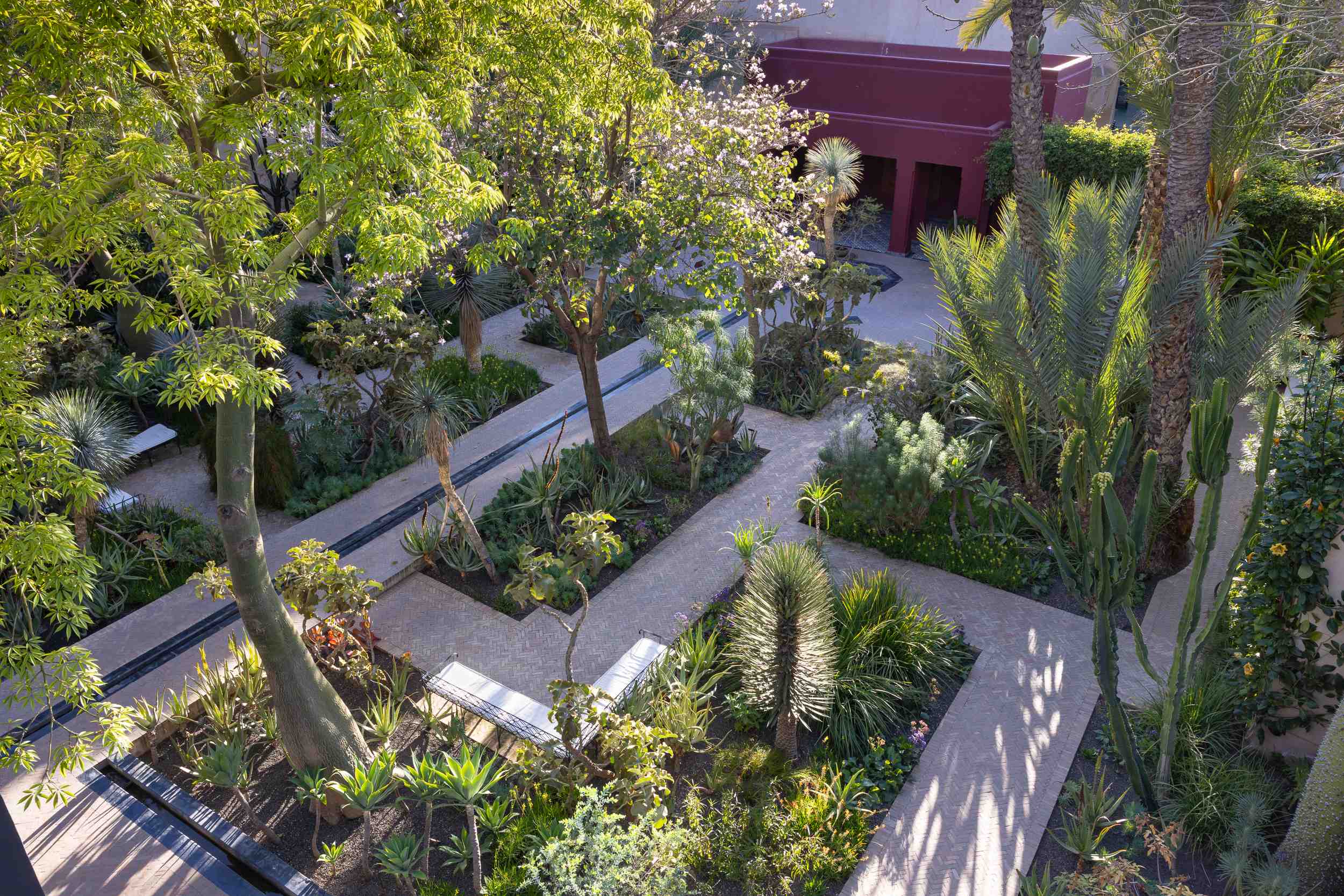
What makes the cultural scene in the historic center so unique is how art and nature seamlessly intertwine. Unlike modern galleries with sterile white walls, the historic venues of the Medina utilize courtyards, fountains, and lush vegetation to create a harmonious viewing experience. This is epitomized by Le Jardin Secret, an elegant palace complex that serves as both a historic monument and a botanical sanctuary. It is widely considered by curators and travelers alike to be the Best garden to visit in Marrakech because it functions as an open-air museum of Islamic landscape design and ancient water engineering.
Inside Le Jardin Secret, the Hmidou Pavilion houses permanent exhibition spaces that detail the meticulous archaeological restoration of the property. Visitors can learn about the complex mathematics behind Islamic geometry and the traditional clay pipe system, known as the khettara, which historically distributed water to Medina palaces and mosques. Walking through the perfectly symmetrical Islamic Garden while studying the architectural details of the surrounding pavilions offers a deep, meditative understanding of the relationship between human craftsmanship, nature, and spirituality.
This comparison table highlights the unique focus and visitor experience of the primary cultural spaces in the old city.
|
Venue Name |
Primary Cultural Focus |
Key Highlight for Visitors |
Vibe and Atmosphere |
|---|---|---|---|
|
Le Jardin Secret |
Islamic architecture, landscape design, and historic water systems |
Panoramic tower with 360-degree views and fully restored Saadian pavilions |
Serene, educational, and deeply relaxing |
|
Maison de la Photographie |
Vintage Moroccan photography (1870 to 1950) |
Rooftop terrace with panoramic views of the Atlas Mountains |
Nostalgic, intimate, and highly evocative |
|
Mouassine Museum |
Saadian architecture and traditional Moroccan music heritage |
Authentic 16th-century guest house with original painted plasterwork |
Intimate, historic, and culturally immersive |
|
Medersa Ben Youssef |
Islamic academic history and monumental stonework |
Massive central courtyard decorated with complex zellige tiling |
Grand, crowded, and architecturally stunning |
What is the best garden to visit in Marrakech for cultural history? Le Jardin Secret is widely recognized as the Best garden to visit in Marrakech for history and architecture lovers. It features fully restored palaces, an exhibition on ancient water engineering, and a traditional Islamic garden design.
Are these places to visit in the Marrakech Medina open every day? Most major cultural venues are open daily, usually starting around 9 AM or 10 AM. However, smaller galleries or specific historic houses may have limited hours on Fridays or during national holidays.
When deciding what to do in Marrakech, should I book museum tickets in advance? While smaller galleries allow walk-ins, it is highly recommended to book tickets in advance during the peak spring and autumn seasons, especially if you wish to access restricted areas like the panoramic tower at Le Jardin Secret.
Are these cultural sites accessible for travelers with limited mobility? Many historic structures in the Medina feature narrow doorways and steps. However, ground-floor courtyards and gardens, such as those at Le Jardin Secret, are generally accessible and highly accommodating to all visitors.
Discover the history of Le Jardin Secret and book your visit now