
With year-round sunshine and an arid climate, Marrakech presents a breathtaking yet demanding environment for plant life. Yet, upon stepping through the doors of our jardin botanique Marrakech, visitors are greeted by lush greenery featuring plant species from the four corners of the globe: Mexican cacti, Asian cycads, brilliant bougainvillea, and purple-blooming jacarandas.
How do these exotic species manage to thrive in the Red City? Through a combination of a preserved microclimate, ancient hydraulic engineering, and meticulous botanical selection, here are the secrets behind the flourishing flora at Le Jardin Secret—widely recognized as one of les jardins les plus populaires de Marrakech.
The primary secret to the survival of exotic plants lies in the very design of traditional Moroccan gardens. By enclosing the garden behind tall rammed-earth walls (pisé), the riad structure establishes a privileged microclimate:
Water is the lifeblood of any jardin botanique Marrakech. Historically, the Red City's gardens relied on khettaras—remarkable underground drainage tunnels engineered nearly a thousand years ago to channel water from the High Atlas Mountains directly to the Medina.
At Le Jardin Secret, this centuries-old hydraulic heritage is complemented and enhanced by modern horticultural techniques:
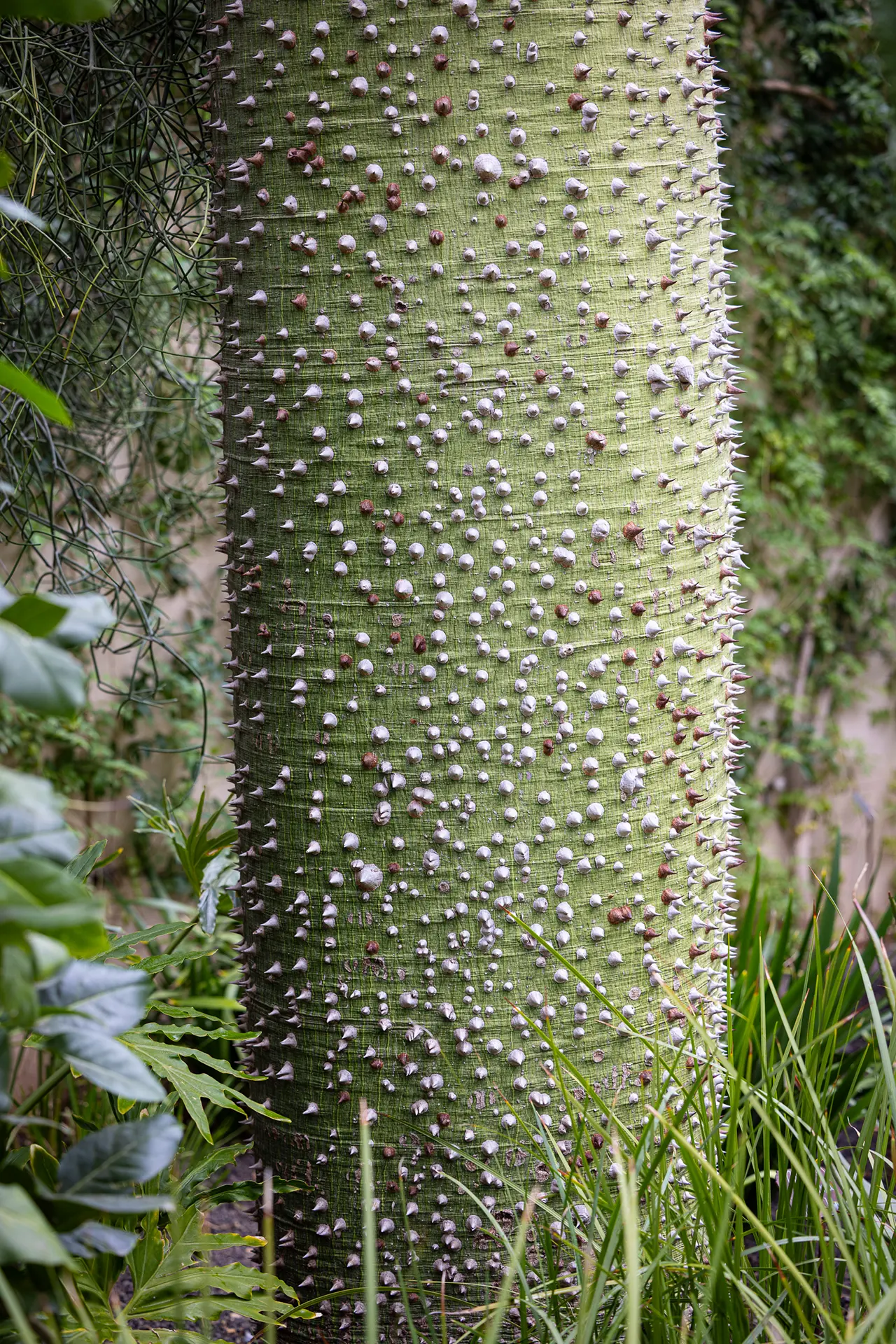
Not all exotic plants can adapt to Marrakech's climate. Landscape architects and botanists selectively chose xerophytic or adaptable species capable of storing water or reducing transpiration:
Wandering through Le Jardin Secret means exploring two distinct botanical realms: the Exotic Garden, which gathers species from Australia, Mexico, South Africa, and Asia, and the Islamic Garden, designed as a symmetrical representation of Paradise centered around Mediterranean flora (olive, fig, pomegranate, and citrus trees).
This harmonious coexistence makes the garden a destination of choice for nature lovers and architecture enthusiasts worldwide.
Come experience this unique synergy between exotic nature and horticultural craftsmanship firsthand. To organize your visit, check our opening hours, or book your tickets online.